After Jacob‘s fourteen years of service to Laban, and his twelve kids, he lets his father-in-law know that it’s time for him to go back home.
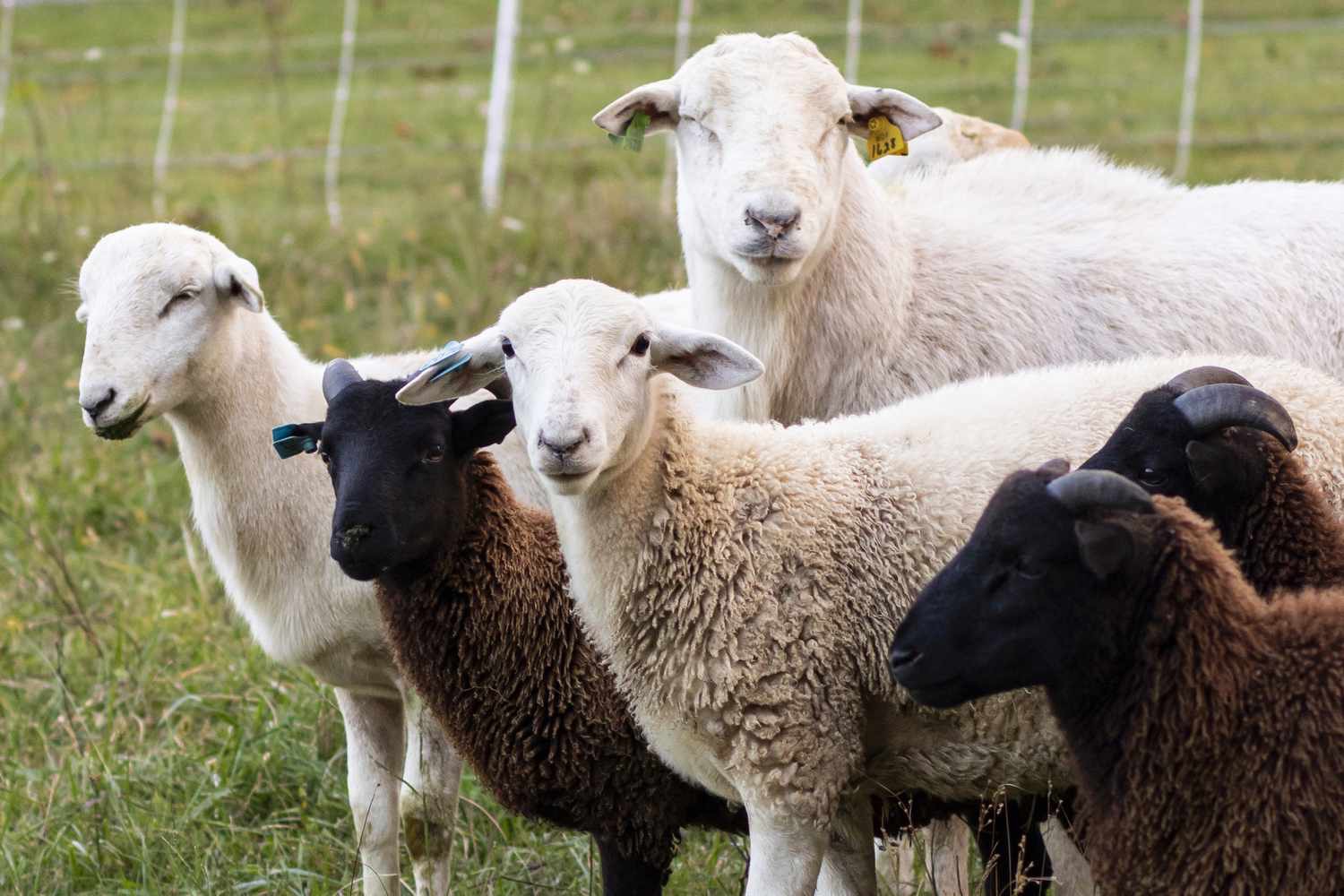
Laban says that divination told him he’s prospered because of Jacob, so asks him to name his wages. Jacob agrees to take all the spotted and speckled goats and sheep as payment.
Laban agrees, but then removes all the spotted and speckled adults from the herd so they won’t breed. He acts like he cares, but then switches up the game.
Then Jacob takes the flock out, and has all the animals drink from water with peeled bark from poplar and almond branches. He also only breeds the strongest animals with the spotted ones. Jacob is playing for keeps too.
Whether it’s the bark water tea, selective breeding or the blessing of God making a difference, the sheep and goats birth to lots of spotted babies. Jacob’s animals are also bigger and stronger than his father-in-law’s so his accumulated wealth begins to overshadowed Laban’s.
The family relationships in this story are competitive and deceptive. Laban talks generously, but acts selfishly. Jacob is looking out for number one as well.
It all started when Laban tricked Jacob with the two-brides-for-double-the-work-deal. Now Laban offers payment, but can’t stand to lose. Jacob, whose life has been marked by favoritism and trickery, responds in kind.
We read the Bible for guidance, but many of the stories are examples of people behaving badly. We live in a time where lots of people are promising one thing but delivering another. Does it mean that we should act the same? When you make a practice of deception and trickery, that becomes the way people treat you back.
