The flies and gnats were harbingers of the plagues to come. Moses warns Pharaoh, then delivers a severe plague upon the livestock of the Egyptians. Horses, donkeys, camels, herds and flocks die in the fields while the animals of the Israelites survive.
One of my chickens died this fall and I was very sad; I raised her from a chick. In the last few years, many bird flus have swept across the country, and it’s devastating to the farmers and the households dependent on them for food.
Unmoved by the loss of animals, or the hunger of his people, Pharaoh is determined to resist. Moses and Aaron throw soot in the air, as instructed by God, and the Egyptians are plagued with sores and boils. It’s so bad that even the magicians hide from Pharaoh. Despite the personal attack in his flesh, he does not relent.
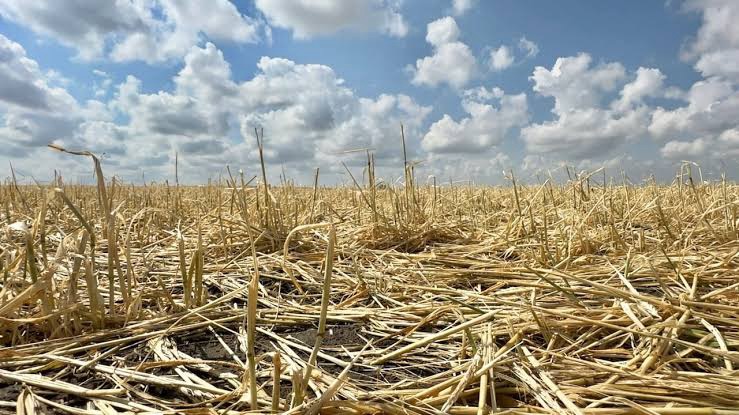
Speaking for God, Moses warns them of a heavy lightning and hail. Those who listen are given a warning to hide their workers and animals under shelter. Then giant hail falls on the fields pummeling all of the crops and trees, and any people or animals still outside.
Pharaoh calls for Aaron and Moses saying he has sinned and was in the wrong and asks them to pray to stop the hail. The flax and the barley crop are ruined, but the wheat had not come up yet. Pharaoh hardened his heart yet again.
Why does Pharaoh continue despite all the suffering? Pharaoh does not see what he is doing as wrong be because he starts with the conclusion that he’s right, therefore everything he does is internally justified. His shows of repentance are only enough to stop the punishments, but not deep enough to change his attitude or behavior. As a generation facing some of the harshest natural disasters in centuries, perhaps we too should reconsider our priorities and practices.
